 Hollow Bloom
Field notes on impossible flora.
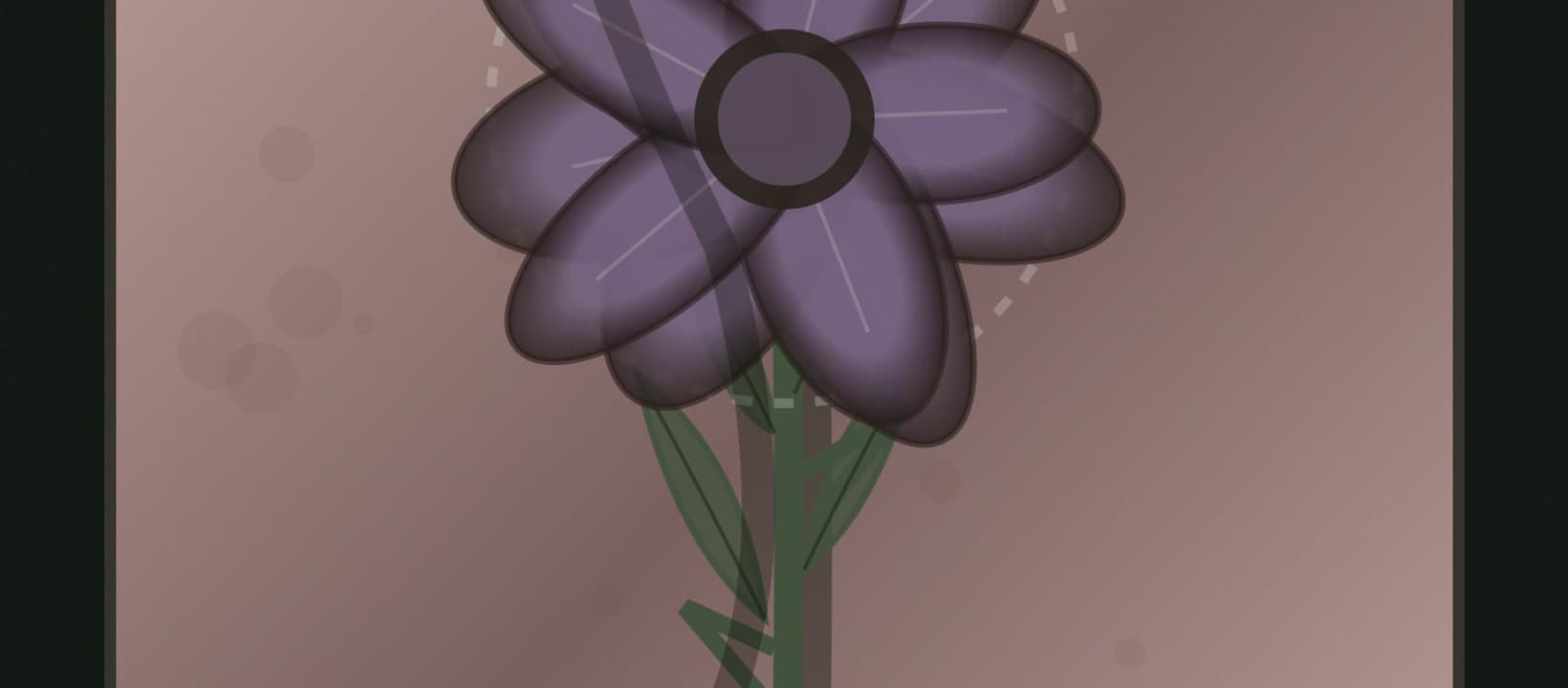
I. The Botanists
We do not grow our flowers. We find them — in the hour between dusk and true dark, in the hollows where rivers forget which way to run — and we press them before they can decide to vanish. The society keeps no roster of names, only of specimens. To be a botanist here is to be a witness first and a collector second.
II. The Impossible Flora
A lumen-lily does not photosynthesize; it remembers light and gives it back slowly, all night. A glass fern holds no chlorophyll at all, only a memory of green suspended in something closer to quartz. None of these things should survive a single frost. All of them have survived several.
We do not ask why. We ask only how to press them without losing what makes them wrong.
III. The Pressing Ritual
Each specimen is laid between two sheets of bone-white paper, sealed under lamplight, and left for exactly one turn of the moon. What emerges is catalogued, numbered, and given a keeper — never a buyer. The herbarium calls this a pressing; we call it a promise that something wrong will be remembered correctly.
IV. The Herbarium Itself
It is not a gallery. It is a living index — specimens grafted to one another, staked and studied by their keepers, occasionally allowed to wilt so that a new seed may be pressed in their place. The herbarium does not end. It presses forward, one impossible bloom at a time.